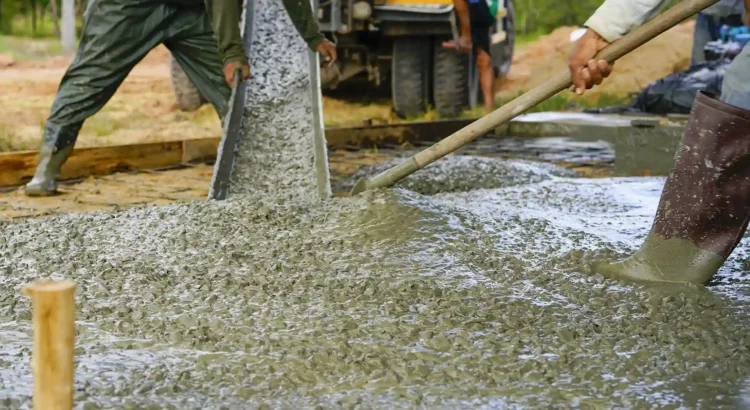
A building’s structural integrity rests entirely on the performance of its base, making foundation preservation a primary concern for property owners. In coastal regions, unique soil compositions and high water tables create a demanding subterranean environment that constantly tests structural resilience.
Neglecting early signs of moisture penetration or structural shifting can lead to catastrophic settlement and exorbitant repair expenses down the road. Proactively implementing robust stabilization and moisture-management strategies is the only definitive way to safeguard your real estate investment.
The Hidden Threat of Soil Mechanics and High Water Tables
Subterranean forces play a massive role in the longevity of poured concrete slabs and basement walls throughout the local area. When the regional water table rises due to coastal storms or seasonal thaws, it exerts immense hydrostatic pressure against the exterior surfaces of your foundation.
This continuous force drives moisture deep into microscopic pores within the concrete matrix, slowly weakening the internal structural bonds over time. Without proper site assessment and a dedicated defensive strategy, this pressure will eventually force its way into the structure, creating costly bowing, shifting, and structural cracking.
Managing the Harsh Freeze-Thaw Cycle
The local climate is notoriously unforgiving on external masonry and poured concrete because of rapid temperature fluctuations. When moisture penetrates concrete pores during a wet spell and subsequently freezes during a cold snap, the water expands by roughly nine percent.
This internal expansion causes micro-fractures to spread rapidly throughout the material, a destructive process that continuously flakes away the structural surface. Over consecutive winters, this cumulative damage compromises the load-bearing capacity of the concrete, transforming minor surface blemishes into deep structural vulnerabilities.
Warning Signs of Advanced Moisture Intrusion
While some concrete wear is expected over decades, specific symptoms indicate an immediate need for professional intervention and advanced drainage installation. Recognizing these red flags early prevents water from reaching critical support beams and finished interior spaces.
- Weeping mortar joints: Active moisture trickling through the seams where concrete walls meet floor slabs.
- Persistent efflorescence: A thick, white, powdery mineral residue left behind on basement walls as seeping water evaporates.
- Deep structural spalling: Large chunks or flakes of concrete breaking away from the main foundation wall, exposing internal aggregate.
- Puddling along the perimeter: Standing water pooling at the base of your foundation walls after heavy rainstorms.
The Mechanics of Foundation Settling and Structural Cracking
Soil shifting, poor initial compaction, and erosion can cause portions of a concrete base to sink unevenly, a phenomenon known as differential settlement. This uneven distribution of weight places immense stress on the structure, leading to distinct fracture patterns that require heavy-duty reinforcement.
- Stair-step fractures: Diagonal cracks propagating through concrete blocks or mortar joints, indicating a dropping corner.
- Horizontal shearing: Long, horizontal cracks along mid-walls, typically caused by severe exterior hydrostatic pressure.
- Misaligned doors and windows: Framing that becomes warped or jammed as the underlying concrete foundation shifts out of plumb.
- Slab separation: Gaps opening up between the interior concrete floor slab and the main perimeter support walls.
Industrial-Grade Solutions for Long-Term Stabilization
Modern structural engineering offers highly effective, permanent remedies to counteract soil failure and moisture damage. Utilizing a combination of deep-foundation systems and specialized barriers ensures that your property remains level, dry, and secure.
- Hydraulic jacking: Utilizing heavy-duty steel piers driven deep into stable load-bearing soil to lift and stabilize settling foundations.
- Helical piles: Screwing specialized steel shafts into the earth beneath the foundation to provide absolute vertical support in poor coastal soils.
- Multi-layered waterproofing: Applying advanced elastomeric membranes and dimple boards to deflect subterranean water away from the concrete.
- Precision crack injection: Sealing deep structural fractures using high-pressure polyurethane or epoxy to restore structural integrity and block water.
Partner with Local Experts to Defend Your Structural Investment
Preserving a concrete foundation against severe coastal elements demands specialized engineering expertise and time-tested local construction standards. Relying on superficial DIY fixes or temporary interior sealants will only mask deeper structural issues while allowing subterranean damage to progress unchecked.
By investing in comprehensive site analysis, professional foundation repair, and advanced drainage systems, you ensure your building remains completely stable for generations. Do not wait for structural cracks to jeopardize your property’s value—secure a professional structural evaluation today to guarantee the enduring strength of your concrete foundations in Boston, MA.
Read more: https://www.brunoguerrieroconstruction.com/boston-foundations/