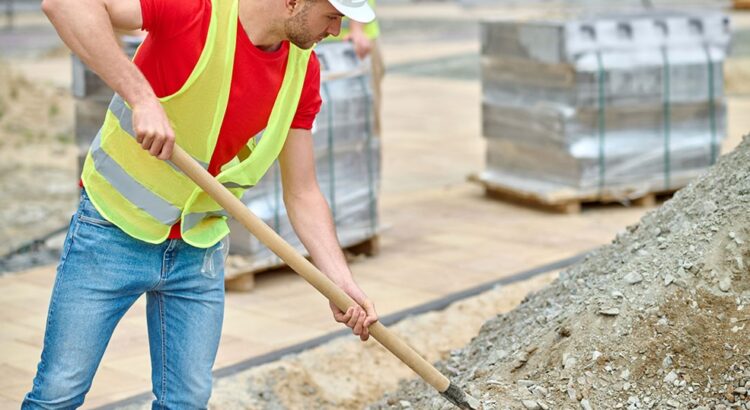
Why Hiring a Masonry Contractor in Tyler Saves You Money?

When homeowners in Tyler, Texas, face a brick repair or stonework project, the first instinct is often to grab a DIY tutorial or hire the cheapest handyman available. It feels like saving money, but that approach usually costs far more in the long run. Professional masonry work is a specialized trade where shortcuts show up as cracked walls, water damage, and repair bills that dwarf the original project cost.

Hiring an experienced masonry contractor in Tyler isn’t an expense — it’s one of the smartest financial decisions you can make for your property. Here are the key ways a true professional actually puts money back in your pocket.

The True Cost of DIY Masonry Mistakes

Masonry looks deceptively simple on YouTube, but mixing mortar, laying courses level, and managing curing times require years of hands-on skill. A botched DIY job doesn’t just look bad — it often has to be torn out completely and redone by a professional anyway. 

That means paying twice for the same project, plus the cost of damaged materials and wasted weekends.

Right Materials at the Right Price

Contractors buy brick, stone, mortar, and supplies at wholesale or contractor pricing that the average homeowner simply can’t access. They also know which materials hold up in East Texas conditions, so you won’t be replacing cracked brick in three years. Key ways they save you money on materials include:

  • Bulk purchasing power: Suppliers charge contractors less per unit than retail customers.
  • Correct mortar and mix selection: The wrong mortar accelerates deterioration and leads to premature repointing.
  • No overbuying: Professionals calculate exact quantities, so you won’t overpay for surplus materials.
  • Local sourcing: A Tyler contractor knows which regional suppliers offer durable stone and brick at fair prices.

Preventing Expensive Water Damage

Tyler’s heavy spring rains and humid climate make water intrusion one of the costliest threats to masonry structures. A professional installs proper flashing, weep holes, and drainage details that keep moisture out of your walls and foundation. 

Catching these issues during installation is far cheaper than dealing with mold remediation, foundation repairs, or interior drywall damage later.

Speed, Efficiency, and Avoiding Rework

What takes a DIYer three weekends takes a professional crew two or three days — and time is money. Experienced contractors also avoid the costly mistakes that lead to rework, such as uneven courses, failed mortar joints, or improperly supported structures. Their efficiency means:

  • Faster project completion: Less disruption to your daily life and routine.
  • Proper equipment: No renting or buying specialty tools you’ll never use again.
  • First-time-done-right results: Avoid the expense of tearing out and correcting errors.
  • Coordinated scheduling: A contractor handles the crew, delivery, and inspections, saving you hours of management.

Warranties, Insurance, and Property Value Protection

Licensed, insured contractors back their work with written warranties — something a handyman or DIY effort can never offer. If a problem develops, you have recourse instead of another out-of-pocket repair bill. Additionally, professional masonry work increases your home’s resale value, while sloppy amateur work can actually decrease it during a home inspection.

Protect Your Investment the Smart Way

At first glance, hiring a professional masonry contractor in Tyler may seem like the pricier option — but when you factor in material savings, avoided mistakes, faster completion, and long-term durability, it consistently costs less than the alternatives. Professional work pays for itself through longevity, fewer repairs, and added property value.

Don’t gamble with your home or your wallet. Hiring a skilled Tyler masonry contractor is an investment that protects your property, your budget, and your peace of mind for decades to come.
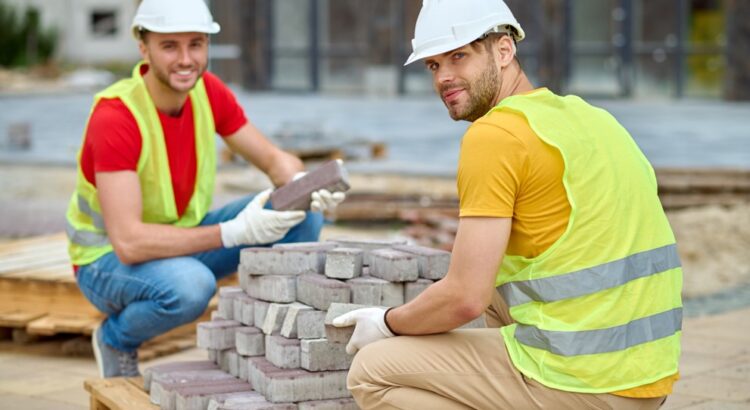
Why Should You Choose Stone Masonry in Tyler, Texas?

When homeowners in Tyler, Texas, think about upgrading their property’s exterior, stone masonry consistently stands out as one of the most attractive and practical options available. Whether it’s a stone facade, fireplace, retaining wall, or outdoor living space, natural and manufactured stone adds a level of character and permanence that other materials simply can’t match.

Beyond curb appeal, stone masonry offers real performance benefits tailored to East Texas conditions. Here’s why more Tyler homeowners are choosing stone — and why it might be the right choice for your next project.

Timeless Beauty That Elevates Any Property

Stone has a natural elegance that never goes out of style, and it pairs beautifully with the traditional and modern home designs common throughout Tyler. Each stone is unique in color, texture, and shape, giving your home a one-of-a-kind look that manufactured siding and painted brick can’t replicate. 

Whether you choose rugged fieldstone, sleek limestone, or classic ledgestone, stone masonry instantly elevates your home’s architectural character.

Built for East Texas Weather

Tyler’s climate is tough on exterior materials — hot, humid summers, heavy spring rains, and occasional winter freezes test every surface on your home. Stone masonry is exceptionally well-suited to handle these conditions. Key weather-resistant benefits include:

  • Moisture resistance: Properly installed stone sheds water and resists the humidity that warps wood and degrades vinyl.
  • Freeze-thaw durability: Quality stone withstands temperature swings without cracking or spalling like softer materials.
  • UV stability: Stone won’t fade, chalk, or degrade under the relentless Texas sun.
  • Fire resistance: Stone is naturally non-combustible, adding a layer of protection that siding can’t offer.

Durability That Outlasts Alternatives

Stone is one of the oldest building materials on earth, and for good reason — it lasts. A professionally installed stone feature can easily outlive the homeowner, requiring minimal upkeep compared to wood, stucco, or vinyl. 

While other exteriors need repainting, resealing, or replacement every 10 to 20 years, stone masonry often needs little more than an occasional cleaning to look its best.

Low Maintenance, High Return

For busy Tyler homeowners, stone’s low-maintenance nature is a major selling point. It doesn’t rot, warp, attract termites, or require regular repainting, which saves both time and money over the life of your home. 

Stone features also deliver strong resale value — buyers consistently pay a premium for homes with quality stonework, making it one of the smartest exterior investments you can make.

Versatility for Any Project

Stone masonry isn’t limited to just one application — it’s remarkably versatile across residential and commercial projects. A few popular ways Tyler homeowners use stone include:

  • Statement fireplaces and accent walls: Indoor or outdoor focal points that add instant character.
  • Outdoor kitchens and living spaces: Durable surfaces built to handle East Texas entertaining.
  • Columns and entryways: Curb appeal upgrades that make a memorable first impression.
  • Retaining walls and landscape features: Functional structures that blend beauty with purpose.

A skilled Tyler mason can help you choose the right stone type, pattern, and finish to match your home’s style and your budget.

Make the Lasting Choice for Your Tyler Home

Choosing stone masonry for your Tyler home is about more than following a design trend — it’s a decision to invest in beauty, durability, and long-term value. In a climate that punishes lesser materials, stone stands strong year after year with minimal maintenance.

If you’re ready to enhance your property with a material that’s as practical as it is stunning, stone masonry deserves a top spot on your list. Contact a trusted local mason to explore your options and bring lasting East Texas character to your home.

Learn more https://www.legacymasonrytyler.com/services/stone-masonry

When Does a Slope Actually Need Retaining Walls in Tyler, Texas?

Tyler, Texas, is full of beautiful rolling terrain — but those gentle slopes can quickly become a headache (or a hazard) without proper management. Whether you’re building a new home, landscaping your backyard, or dealing with an eroding hillside, knowing when a slope truly needs a retaining wall can save you thousands of dollars and prevent serious property damage.

Not every slope requires a wall, but waiting too long to build one can lead to foundation issues, landscape loss, and even safety risks. Here’s how to tell when a retaining wall is necessary — and when it’s not.

When a Slope Is Steep Enough to Matter

As a general rule, slopes steeper than a 3:1 ratio (three feet horizontal for every one foot vertical) are candidates for retaining walls — especially if they’re close to structures, driveways, or patios. Even gentler slopes may need walls if they’re experiencing erosion or soil movement. 

A professional evaluation is the best way to determine if the grade, soil type, and drainage patterns justify a wall.

Signs of Erosion and Soil Movement

Slopes in East Texas are especially prone to erosion due to heavy rainfall and the region’s clay-heavy soils. Watch for these warning signs that a retaining wall may be needed:

  • Gullies or channels forming after rain: This indicates water is carving away soil faster than it can be replaced.
  • Exposed tree roots or crumbling edges: These show the slope is actively losing material.
  • Soil building up at the bottom of the slope: This means material is moving downhill and could eventually undercut nearby structures.
  • Cracks in nearby driveways or foundations: Slope movement may be putting pressure on adjacent hardscapes.

Protecting Structures and Foundations

One of the most important reasons to install a retaining wall is to protect your home, garage, or other structures from soil pressure and water damage. In Tyler’s expansive clay soil, moisture changes can cause significant ground movement, and a well-built retaining wall helps stabilize the soil around your foundation. 

Walls also redirect water away from structures, reducing the risk of basement flooding, crawlspace moisture, and foundation settlement.

Creating Usable Space

Beyond safety and erosion control, retaining walls can transform an unusable hillside into valuable outdoor living space. Terraced walls create flat areas for gardens, patios, play spaces, or additional parking — turning wasted slope into functional square footage. 

In many Tyler neighborhoods, tiered retaining wall systems are the key to making sloped backyards enjoyable and accessible for the whole family.

When You Might Not Need a Wall

Not every slope requires a retaining wall — and building one unnecessarily can be an expensive mistake. In many cases, simpler solutions can stabilize a gentle slope, such as:

  • Healthy vegetation: Dense grass and plant roots hold soil in place naturally.
  • Regrading: Adjusting the slope’s angle can slow or redirect water flow.
  • Swales and drainage channels: These guide water away without major construction.
  • Deep-rooted ground cover: Plants like native grasses anchor soil on mild inclines.

Don’t Wait for the Slope to Decide for You

Retaining walls are an investment — but in Tyler’s climate, they’re often far cheaper than the alternative of repairing foundation damage, replacing eroded landscaping, or rebuilding collapsed slopes. The key is acting early, before small erosion problems turn into major structural issues.

If you’re noticing signs of slope instability or simply want to make better use of your property’s terrain, consult a local masonry or hardscape professional. A well-designed retaining wall doesn’t just protect your investment — it adds lasting value, beauty, and functionality to your Tyler home.